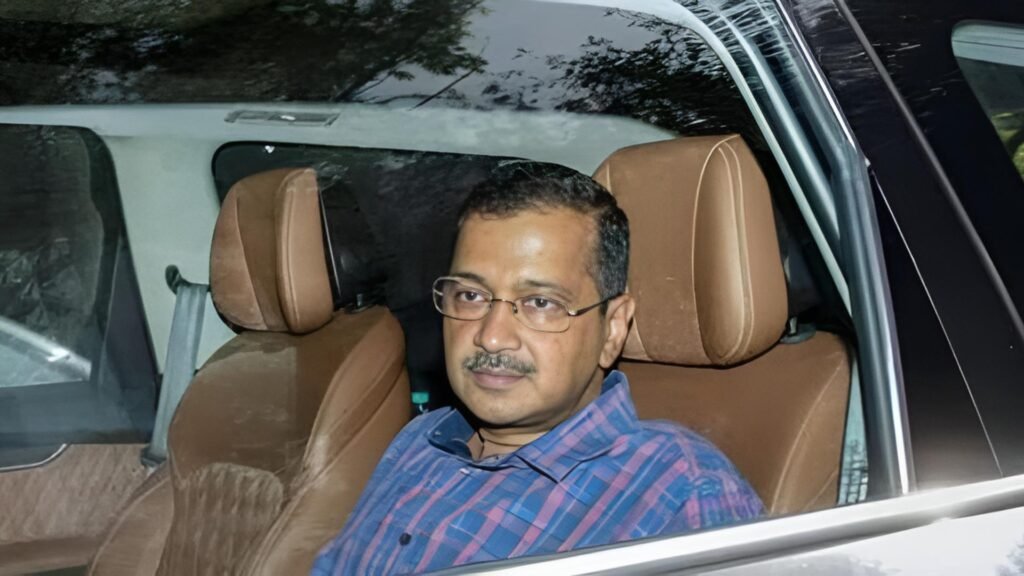
Updated 23 October 2026: Arvind Kejriwal was arrested by the Enforcement Directorate (ED) on 21 March 2024 in a money-laundering investigation linked to Delhi’s 2021–22 excise policy. The arrest concerned allegations; it was not a finding of guilt. Kejriwal and the Aam Aadmi Party denied wrongdoing and described the cases as politically motivated.
What the agencies alleged
The ED alleged that the excise policy was designed to benefit private participants in exchange for kickbacks and that proceeds were connected to AAP. The Central Bureau of Investigation (CBI) pursued a related corruption case. These were prosecution allegations, and the ED and CBI matters followed separate legal tracks.
The 2024 arrest and bail timeline
- 21 March 2024: The ED arrested Kejriwal in the money-laundering case.
- July 2024: The Supreme Court granted interim bail in the ED matter and referred legal questions about the arrest to a larger bench. Kejriwal remained in custody at that time because the CBI had arrested him in the related corruption case.
- 13 September 2024: The Supreme Court granted bail in the CBI case. Bail did not decide whether the allegations were true.
What changed in 2026
On 27 February 2026, a Delhi trial court discharged Kejriwal, Manish Sisodia and other accused in the CBI corruption case. The CBI challenged that discharge in the Delhi High Court. The challenge means the procedural position remained contested; the discharge should not be described as a final ruling that every related allegation or separate proceeding had ended.
The ED money-laundering case is legally distinct from the CBI corruption case. Reporting and court records reviewed for this update show that related proceedings and challenges continued after the CBI discharge order.
Why neutral wording matters
Calling the matter a proven “liquor scam” would treat disputed allegations as established fact. The accurate description is the Delhi excise policy case, with the agency’s allegations, the accused persons’ denials and the court’s procedural orders clearly separated.
Current takeaway
Kejriwal’s 2024 arrests were significant political and legal events, but arrest and prosecution did not establish guilt. The CBI case produced a discharge order in February 2026 that was challenged in the High Court, while the ED matter remained a separate proceeding. Any account of the controversy should therefore be dated and should avoid presenting unresolved claims as proven facts.