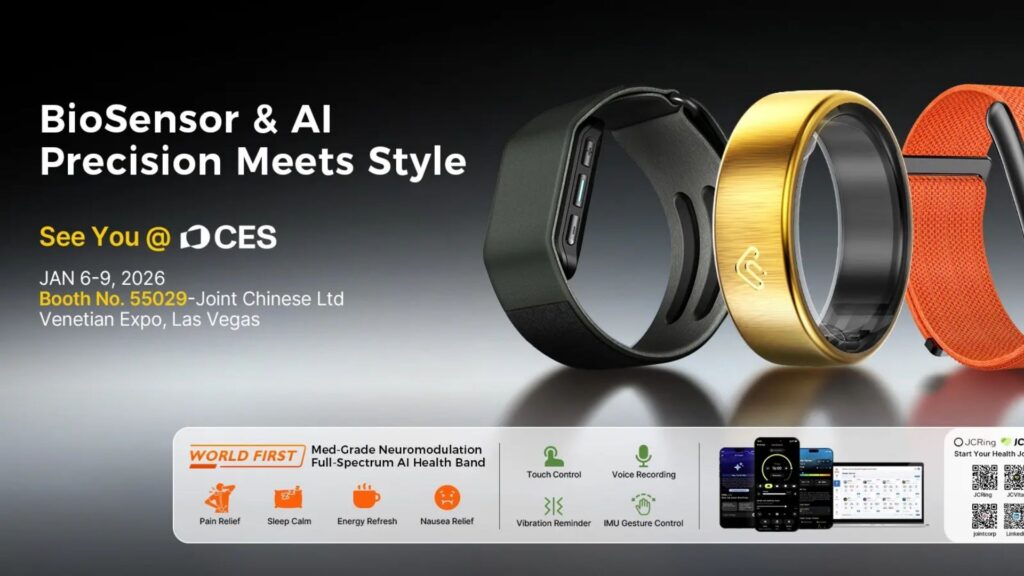
Wearable technology is evolving rapidly, but the real breakthrough is happening behind the scenes. Ambient on-device AI in wearables is transforming how devices think, respond, and protect user data—without relying on the cloud.
From smartwatches to AR glasses, this shift is creating faster, smarter, and more private user experiences, making it one of the most important trends in modern wearable technology.
What is Ambient On-Device AI?
Ambient on-device AI refers to artificial intelligence that runs directly on a wearable device instead of sending data to external servers. It continuously works in the background, learning user behavior and delivering real-time responses.
Unlike cloud-based AI, it offers:
- Faster processing with near-zero latency
- Enhanced data privacy and security
- Reduced internet dependency
- Lower power consumption with optimized AI models
This makes it ideal for health tracking, fitness monitoring, and real-time alerts.
Why Ambient AI is a Game-Changer for Wearables
The integration of low power AI processing in wearables is unlocking new possibilities:
Real-Time Intelligence
Devices can instantly process biometric data such as heart rate, sleep patterns, and activity levels without delay.
Privacy-First Technology
Since data stays on the device, users gain better control over sensitive personal information.
Improved Battery Efficiency
Modern AI chips are designed for edge computing, reducing the need for constant cloud communication.
Context-Aware Experiences
Ambient intelligence allows wearables to adapt based on user habits, environment, and routines.
High-Impact Use Cases
Ambient on-device AI is already shaping the future of smart wearables:
- Health monitoring with instant alerts for abnormal vitals
- Fitness optimization with personalized insights
- Smart assistants with local voice processing
- AR/VR wearables with real-time object recognition
These capabilities are redefining how users interact with technology daily.
Challenges and Limitations
Despite its advantages, ambient AI in wearables still faces some challenges:
- Limited hardware capabilities compared to cloud systems
- Need for highly optimized AI models
- Higher initial development cost
- Continuous updates required for accuracy
However, rapid advancements in AI chip design are solving these issues quickly.
Future of AI-Powered Wearables
The future of ambient on-device AI in wearables is incredibly promising. With advancements in edge AI and processing efficiency, we can expect:
- More autonomous wearable devices
- Deeper personalization
- Seamless integration with IoT ecosystems
- Advanced predictive health analytics
Businesses exploring AI-driven growth strategies can learn more from digital content and AI insights to stay ahead in this evolving space.
Final Thoughts
Ambient on-device AI in wearables is not just an upgrade—it is a fundamental shift in how devices operate. By combining privacy, speed, and intelligence, it is setting the foundation for the next generation of smart technology.
For entrepreneurs, developers, and digital marketers, this trend opens new opportunities in AI-powered innovation and scalable business models.
For more Updates, visit: Buzz Content Corner
Follow us on
Facebook: https://www.facebook.com/Buzzcontentcorners/
Instagram: https://www.instagram.com/buzzcontentcorner
[…] You can also read our analysis of how AI is moving closer to users through ambient on-device intelligence and wearable technology. Ambient On-Device AI in Wearables […]