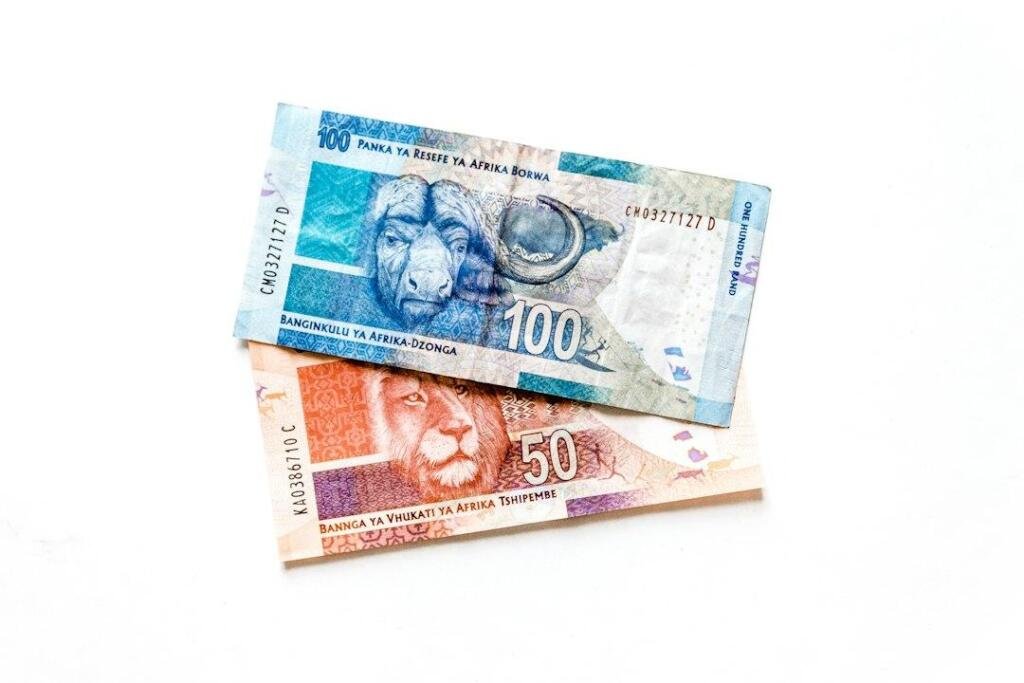
South Africa’s next big fiscal update is scheduled for Wednesday, 21 October 2026. Finance Minister Enoch Godongwana is expected to deliver the Medium-Term Budget Policy Statement (MTBPS) to the National Assembly at 14:00 South African time, in Parliament’s Good Hope Chamber. The statement will update the country’s economic and budget outlook, but it should not be confused with the main annual Budget delivered earlier in the year.
For anyone searching for the South Africa MTBPS 2026 date or wondering what the so-called mini budget means, the important distinction is that, as of 12 October, the speech has not yet been delivered. No new 21 October tax, spending or debt figures should be treated as announced until official documents are released.
When is the South Africa 2026 medium-term budget?
| Event | 2026 Medium-Term Budget Policy Statement (MTBPS) |
|---|---|
| Scheduled date | Wednesday, 21 October 2026 |
| Time | 14:00 South African Standard Time (SAST), UTC+2 |
| Presenter | Finance Minister Enoch Godongwana |
| Venue | Good Hope Chamber, Parliament of South Africa |
| Related item | Adjustments Appropriation Bill is due to be tabled at the sitting |
These details come from Parliament’s official notice dated 6 October 2026. Dates and arrangements can change; Parliament’s schedule is the authoritative source.
What is the Medium-Term Budget Policy Statement?
The MTBPS is South Africa’s mid-year fiscal policy check-in. It connects the annual budget to medium-term economic forecasts and fiscal plans. It gives lawmakers and the public a clearer view of whether growth, tax collection, debt servicing and government spending are developing as expected.
In practical terms, the statement is designed to update the macroeconomic outlook, explain the government’s fiscal strategy and frame adjustments to departmental allocations. It also gives parliamentary committees a basis to interrogate performance and spending before further budget decisions.
That does not mean every policy mentioned in the speech becomes law immediately. Budget announcements, appropriation legislation and tax law changes can involve different parliamentary procedures and effective dates.
Five issues to watch in the October 21 statement
1. Economic growth assumptions
Even a small downward change to the growth forecast can affect projected tax receipts and the government’s room to fund services. Watch for the Treasury’s revised assumptions rather than an isolated headline growth number. The significance depends on how forecasts compare with February estimates and where revisions are concentrated.
2. Debt and debt-service costs
South Africa’s February 2026 Budget described a plan for government debt to stabilise and decline as a share of output. The October statement will be important for assessing whether that trajectory remains credible under the latest economic and interest-rate conditions. The old February figures are not substitutes for the forthcoming October update.
3. Spending priorities and service delivery
Public attention often centres on headline totals, but allocation quality matters just as much. Readers should look at whether spending changes address real implementation problems in infrastructure, health, education, transport and local government—and whether departments can demonstrate results from existing budgets.
4. Revenue and tax-policy proposals
The MTBPS sets the stage for future fiscal decisions. It does not automatically mean a new tax rate starts on speech day. Distinguish a forecast for tax collections from a proposed tax amendment, and a proposal from a measure that has completed the required legal process.
5. The balance between reform and short-term pressure
Government must balance debt sustainability and investor confidence against the immediate costs of living, public services and slower growth. A credible plan explains trade-offs clearly: which assumptions changed, which programmes face adjustment and what safeguards are in place for delivery.
How can the public take part?
Parliament has published a separate invitation for comment on the 2026 Revised Fiscal Framework and Revenue Proposals to be tabled with the MTBPS. According to that official notice, written submissions are due by 12:00 on Monday, 26 October 2026, with virtual public hearings planned for Wednesday, 28 October 2026.
People who wish to comment should check the full Parliament committee notice for the specified committee contacts, submission process and the option to request an oral presentation. The relevant reports and proposals will be available once tabled; readers should not assume a draft circulating on social media is final.
Where can people watch the MTBPS?
Parliament says public proceedings can be followed through its official YouTube channel, Parliament TV (DStv Channel 408), and updates through its official X account. These are institutional accounts, rather than Buzz Content Corner’s own social profiles.
Why this budget matters beyond South Africa
Fiscal developments in one of Africa’s major economies are relevant to regional investors, importers, exporters and households. Forecasts for infrastructure, currency pressures and demand influence how businesses plan payments and inventory. But it would be misleading to claim that a single fiscal statement will determine exchange rates or market performance: global conditions also matter.
For a wider global perspective, BCC has explored why global growth has held up despite higher borrowing costs and how growth revisions affect developing economies. Those reports provide context, not predictions of South Africa’s specific October numbers.
Frequently asked questions
What is the South Africa MTBPS 2026 date?
The medium-term budget statement is scheduled for 21 October 2026 at 14:00 SAST, according to Parliament.
Is the October MTBPS the same as the full annual budget?
No. The MTBPS is a mid-year policy and fiscal update. It informs planning and spending adjustments, whereas the annual Budget is a separate event.
Has the government announced the October 2026 tax and spending numbers already?
Not through the scheduled October 21 statement as of the article’s October 12 publication date. Wait for the official documents before treating projections or proposals as decisions.
When are public comments due?
Parliament’s current notice states 12:00 on 26 October 2026, followed by virtual hearings on 28 October. Readers should recheck the notice for changes.
How to read the MTBPS numbers when they are released
The mini-budget will contain forecasts and spending adjustments, not a single score that tells citizens whether the economy is improving. When the document is available, compare the new GDP-growth assumption with the previous forecast; examine whether tax revenue revisions arise from stronger collections or one-off transactions; and distinguish the budget deficit as a share of GDP from the absolute amount of borrowing.
Another valuable comparison is debt-service costs against spending on actual public services. Lower debt-service pressure can create more room over time for education, health or infrastructure, but only if assumptions and financing conditions hold. Figures in the October statement should be read alongside the full February Budget rather than assumed to replace it.
A reader’s checklist for 21 October
- What changed in Treasury’s growth and inflation assumptions, and why?
- Which departmental spending adjustments are proposed rather than already finalized?
- What does the revised deficit and borrowing requirement imply for financing needs?
- What explanation is given for changes to grants and provincial allocations?
- Which documents show the assumptions behind the headline speech?
These are questions to investigate, not predicted answers: the 2026 statement has not yet been delivered as of this article’s publication preparation.
How and when can the public respond to the fiscal framework?
Parliament’s official committee notice calls for written submissions by 12:00 on Monday, 26 October 2026, with virtual public hearings scheduled for Wednesday, 28 October 2026. Those are participation deadlines, not dates on which the mini-budget is delivered. Interested readers should use the Parliament committee notice for submission requirements and the current official timetable. Anyone submitting a comment should identify a specific provision, describe its likely effect and provide evidence instead of just giving a general reaction to spending levels.
Is the MTBPS the same as an immediate tax change?
No. The MTBPS sets out a fiscal and policy framework and may signal proposals or estimates. Whether a particular tax or spending measure takes legal effect depends on the applicable legislative and budget process. Readers should avoid treating every speech proposal as an enacted rule.
Sources and reporting note
Primary sources: Parliament’s 6 October MTBPS notice; Parliament’s public submission timetable; South African government’s February 2026 Budget Speech. Cover image: illustrative South African rand photograph by Sincerely Media via Unsplash; it does not depict the actual budget presentation or an official government graphic.