Updated: October 6, 2026. Indonesia’s parliament has passed the One Data Indonesia Bill, turning a long-running data-governance programme into a national legal framework for how government information is collected, shared and used.
The law is meant to reduce a familiar public-sector problem: different ministries and agencies often hold overlapping datasets that use different definitions, formats or standards. When those systems do not match, policy can be built on conflicting numbers.
What parliament approved
The House of Representatives approved the bill in a plenary session on October 6 after government representatives and the House’s Legislation Body agreed on the final text a day earlier.
Reports on the final version describe a law containing 20 chapters and 141 articles. Its scope includes government data used for development planning, budgeting, public services and the distribution of social assistance.
What “One Data” is trying to solve
Modern governments collect enormous amounts of information: population records, school data, health statistics, tax records, business registrations, infrastructure maps and welfare databases.
More data does not automatically create better government. If agencies use different identifiers or definitions, two official systems can produce different answers to what should be the same question.
Indonesia’s One Data framework is designed to create shared standards so information can be combined more reliably across agencies.
Why social assistance is a major use case
One of the most practical reasons for better data is targeting.
A welfare programme is only effective if the government can identify eligible households accurately, update changes quickly and avoid duplicate or missing records. Weak data can create both exclusion errors — people who should receive help but do not — and inclusion errors, where support goes to people who are no longer eligible.
A more integrated data system could improve those decisions, although the quality of implementation will matter more than the law on paper.
What businesses and technology providers should watch
National data governance also affects the private sector, particularly cloud providers, software vendors, consultants and contractors working with public agencies.
Questions around data standards, security, interoperability and cross-border processing can shape how government technology contracts are designed. Earlier debate around the bill also focused on data sovereignty and how information should be handled when systems or providers operate outside Indonesia.
The privacy question does not disappear
Centralising or connecting government data can make public services more efficient, but it can also increase the consequences of misuse or a security breach.
The strongest version of a One Data system therefore needs more than interoperability. It needs strict access controls, audit trails, clear accountability, data minimisation and meaningful coordination with Indonesia’s privacy framework.
Better data governance should make it easier to use the right information — not create unrestricted access to everything.
What happens next?
Passing the law is only the beginning. The hard phase is implementation across ministries, regional governments and public agencies that already operate different databases and legacy systems.
The key questions to watch are:
- Which agency will enforce common standards?
- How quickly will older databases be made interoperable?
- How will data quality disputes be resolved?
- What technical and security standards will vendors have to meet?
- How will citizens correct inaccurate records about themselves?
Frequently asked questions
What is the One Data Indonesia Bill?
It is legislation intended to strengthen national government data governance and make official data more consistent and useful for public policy, services and development planning.
When did Indonesia pass it?
The House of Representatives approved the bill on October 6, 2026.
Why is it important?
Consistent data can improve budgeting, planning and social-assistance targeting, but implementation and privacy safeguards will determine the real-world impact.
For more international policy coverage, read BCC’s explainer on Spain’s 2026 snap election and the pressures behind it.
Sources and further reading
- The Star/Bernama — parliament passes the One Data Bill
- ANTARA — government explanation of the bill’s goals
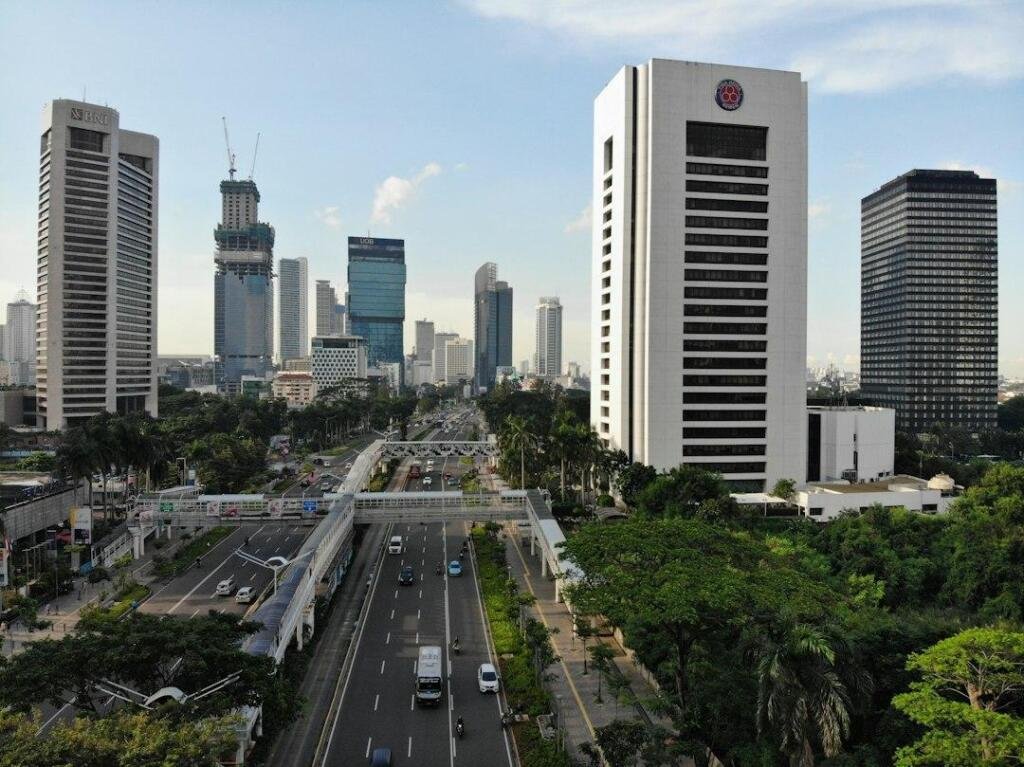
Featured image is illustrative.
Follow Buzz Content Corner
For more international politics and policy explainers, follow Buzz Content Corner (BCC) on Instagram and Facebook.