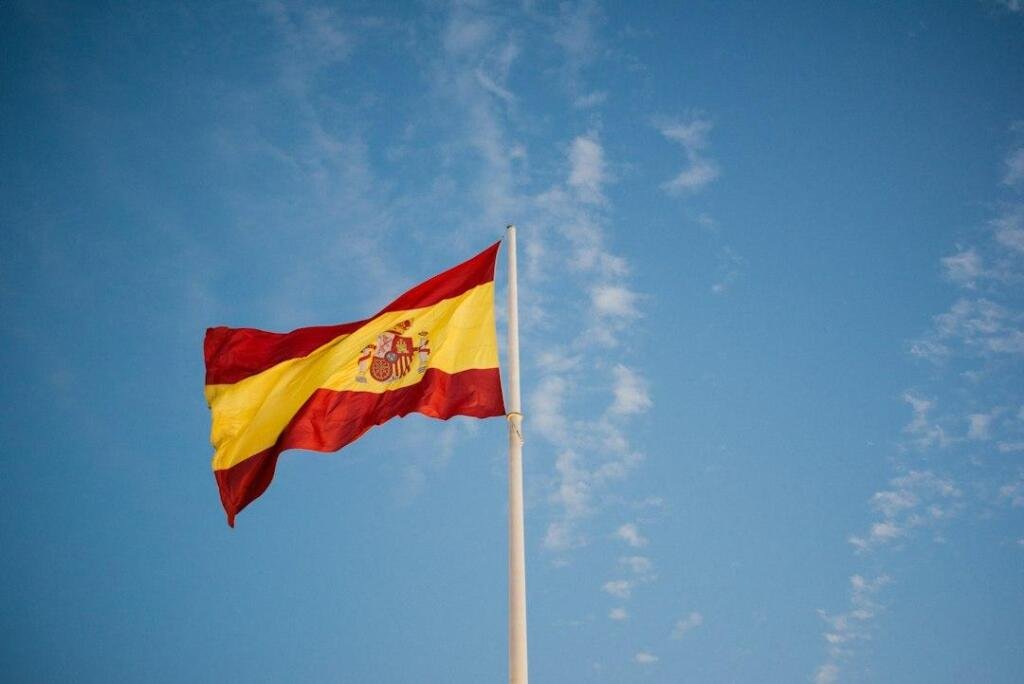
Updated: October 5, 2026. Spain will vote in an early general election on November 29 after Prime Minister Pedro Sánchez called a snap poll in an attempt to break a parliamentary deadlock that has become inseparable from the country’s housing crisis.
The timing is politically risky. Sánchez’s minority government has struggled to pass key measures, tens of thousands of people have protested over housing costs and tenant protections, and opinion polls cited by Reuters put the conservative People’s Party ahead — though potentially dependent on the far-right Vox party to govern.
The election is therefore about more than which party finishes first. It will test whether voters blame the government for failing to fix housing, reward it for trying to intervene, or move toward a different coalition altogether.
What happened?
On October 5, Sánchez announced that Spain would hold an early election on November 29, 2026. The decision came after a fragmented parliament rejected important housing measures proposed by his government.
Spain was not due to hold a regular general election so soon, which makes the move a strategic gamble: Sánchez is asking voters for a clearer mandate rather than continuing to govern through an increasingly difficult parliamentary arithmetic.
Why housing became the immediate trigger
Housing has developed into one of Spain’s most politically explosive issues. Rents and access to affordable housing have become major concerns, particularly in large cities and tourist-heavy areas.
On October 3, tens of thousands of people demonstrated across the country. Reuters reported protests in around 50 cities, with approximately 70,000 people taking part in Madrid.
The protests followed the parliamentary rejection of government measures aimed at strengthening protections for vulnerable tenants and extending leases in certain circumstances.
For voters, the argument is no longer only about housing policy design. It has become a test of whether Spain’s political system can turn public pressure into legislation.
Why Sánchez is taking the risk now
A minority government can survive without winning every vote, but governing becomes much harder when major policy priorities repeatedly stall.
Calling an election allows Sánchez to change the battlefield. Instead of negotiating each difficult bill through a fragmented parliament, he can ask voters to reshuffle the balance of seats.
The risk is obvious: voters could strengthen his opponents rather than his coalition.
What are the main political blocs?
Spain’s election will revolve around coalition arithmetic as much as individual party totals.
Socialists and the left
Sánchez’s Socialist Party will argue that it needs a stronger mandate to advance housing protections and other parts of its agenda. Its path to government is likely to depend on alliances and support from other parties, as it has during the current term.
People’s Party
The centre-right People’s Party enters the campaign from a strong polling position. Its challenge is not only to finish first but to secure enough parliamentary support to form a government.
Vox
If the People’s Party falls short of a governing majority, Vox could become central to coalition negotiations. That possibility makes the election relevant well beyond Spain because it would affect debates over the role of far-right parties in European governments.
Why the November 29 date matters
A short campaign compresses the time parties have to redefine the election around other subjects. Housing is likely to remain prominent because it directly preceded the decision to call the vote.
But the campaign will also cover the economy, migration, regional politics, public services and Spain’s position inside the European Union.
That means the election can begin with housing as the trigger and still end with voters making a broader judgment on government performance.
What could change after the election?
There are several broad possibilities:
- A stronger Sánchez-led bloc: this could give the government more room to pass housing and budget measures.
- A People’s Party-led government: this would shift national policy to the right and could require support from Vox.
- Another fragmented parliament: Spain could return to prolonged coalition negotiations and difficult legislative bargaining.
Because Spain uses a parliamentary system, the largest party does not automatically govern. What matters is who can assemble enough parliamentary support to elect a prime minister.
What should readers watch during the campaign?
- Whether housing stays the dominant issue or is overtaken by the economy, migration or regional politics.
- Whether the People’s Party can build a governing path without relying heavily on Vox.
- Whether Sánchez can turn the rejected housing measures into a campaign argument for a stronger mandate.
- How younger renters and urban voters respond after the recent protests.
- Whether turnout changes after another period of political fragmentation.
Why this matters outside Spain
Spain is one of the European Union’s largest economies. A change in government could influence the country’s positions on EU economic policy, migration, climate measures and international affairs.
The vote will also be watched as another measure of how Europe’s traditional centre-left and centre-right parties are handling pressure from newer and more ideologically polarised competitors.
A note on polls
Polls are snapshots, not results. Reuters reported that the People’s Party was leading in surveys at the time the election was called, but a campaign can change voter priorities, turnout and coalition preferences. BCC will treat polling numbers as indicators rather than predictions.
For more policy coverage, see BCC’s explainer on the MSME Development Amendment Bill 2026.
Frequently asked questions
When is Spain’s 2026 snap election?
Prime Minister Pedro Sánchez called the general election for November 29, 2026.
Why did Sánchez call an early election?
He is seeking a stronger mandate after a fragmented parliament rejected key housing measures and his minority government faced growing political pressure.
What role is the housing crisis playing?
Housing is a major trigger for the election. Large demonstrations followed rising frustration over rents, evictions and the failure of proposed tenant-protection measures in parliament.
Does the party with the most votes automatically govern Spain?
No. Spain is a parliamentary system. A party or coalition must secure enough support in parliament to form a government.
Sources and further reading
Featured image: Francesco Zivoli via Unsplash. Image is illustrative.
Follow Buzz Content Corner
For more balanced political explainers and verified updates, follow Buzz Content Corner (BCC) on Instagram and Facebook.