Updated: October 14, 2026 (IST). Reporting reflects developments of October 13 unless stated.
Surat's embroidery sector is facing another difficult phase in a dispute over working hours, weekly leave and employee protections. Local reporting on October 12–13, 2026 described workers and some unit owners holding firm to different positions, with renewed demonstrations near Mini Bazaar in Varachha.
This is a significant local story because embroidery work links factories, job-work contractors, traders and migrant workers. But it should not be presented as a citywide shutdown: the available reports describe particular units and groups, not every embroidery operation in Surat.
What happened in the latest reported confrontation?
A local report carried by Smart Surat described around 50 workers protesting near Mini Bazaar after employees from three embroidery units in the Kapoor Wadi area were reportedly asked to leave or had their employment end amid demands for a paid weekly holiday and a shorter shift. The workers' account said that their existing schedules involved approximately 12-hour shifts.
The precise circumstances of each worker's exit, and the employers' full responses in those specific cases, require independent confirmation. Readers should distinguish worker allegations from findings established by a labour authority or court.
What workers are demanding
Across the latest dispute and earlier protests, workers and representatives have raised several recurring concerns:
- An eight-hour working shift rather than extended schedules reportedly reaching 12 hours.
- A paid weekly day off without a corresponding loss of agreed monthly wages.
- Predictable and timely wage payment.
- Clarity over applicable labour protections and statutory benefits.
These issues are related but not identical. Whether a particular worker is covered by specific wage, overtime, social-security or leave provisions depends on the applicable law, establishment and employment arrangement. A headline cannot settle those legal details.
How unit owners view the dispute
Business owners face production deadlines, seasonal demand and competition in price-sensitive textile supply chains. Reducing shift length or adding paid leave can require rescheduling, additional staffing or a different job-work pricing model. These practical constraints help explain why negotiations can be difficult, but they do not by themselves establish what the law permits.
It is important to hear from individual unit owners and associations about staffing costs, order delivery concerns and the feasibility of proposed arrangements. Equally important is verifying workers' reported schedules and employment terms rather than treating any side's claim as a settled fact.
How the situation developed
The dispute is not new. The Indian Express documented a September 12 protest at the district collector's office, where workers complained that previously discussed shift and leave changes had not materialized. That history provides context for the October demonstrations and workers' frustration, while still leaving questions about what was formally promised and by whom.
Recent reports refer to discussions among unions and owners. However, the sources reviewed do not establish a final signed settlement, an industry-wide legally binding agreement or a fixed date for normal operations across the city.
What this means for Surat businesses and families
For employees, uncertainty can affect monthly income, travel plans and the ability to negotiate working conditions safely. For factory owners, sudden staffing changes can disrupt machine utilization and orders. For suppliers and traders, the biggest immediate challenge is not knowing whether delivery commitments can be met.
Affected people should rely on written schedules, wage records and notices rather than forwarding unverified social-media claims. Businesses should communicate revised delivery commitments early if their specific units are affected. Workers with a dispute can preserve employment documents and seek guidance from the relevant labour department or qualified adviser.
Questions local reporters still need answered
Key details remain unverified in the publicly reviewed reporting: the number of active units with changes in working schedules, the exact status of formal negotiations, any government-mediated meeting, and whether dismissals described by workers have been formally challenged.
BCC will treat those as open questions, not facts. As of October 14, 2026 (IST), the latest sources reviewed describe a standoff rather than a confirmed resolution.
Frequently asked questions
What are Surat embroidery workers asking for?
Recent reporting describes demands for eight-hour shifts and a paid weekly day off, alongside questions about wage and statutory benefits.
Where were recent demonstrations reported?
An October local report described a gathering near Mini Bazaar in Varachha after workers said several embroidery units had dismissed them.
Has the dispute been resolved?
The cited reporting describes an ongoing standoff. It does not establish a completed settlement.
Are all embroidery units in Surat affected?
No reliable citywide closure figure was established in the reviewed sources; individual units and participating worker groups should not be generalized to the entire industry.
Related BCC reading
Sources and reporting notes
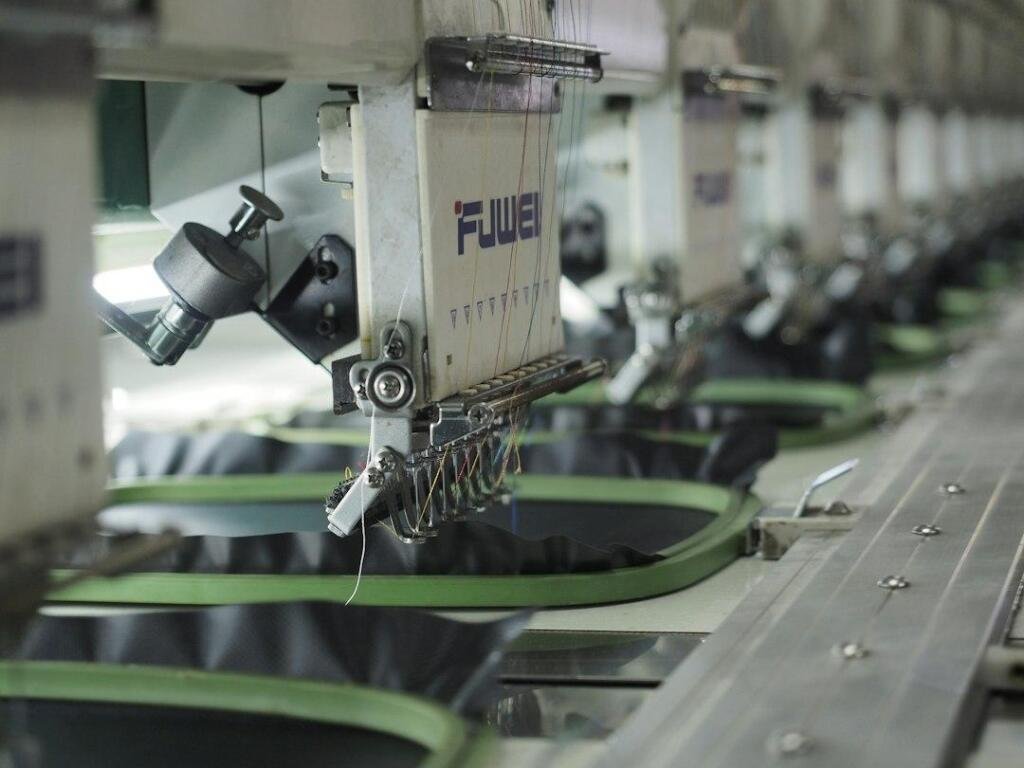
Featured photo: Agto Nugroho / Unsplash. Illustrative stock embroidery image; it does not show the reported Surat demonstration.
This article summarizes information available as of October 14, 2026 (IST). The linked primary or attributable reports support the dated factual claims; observations and practical guidance are editorial analysis.