Updated: October 5, 2026. A Kansas property dispute that began with a fence line and ended with 133 cut trees has now produced an appellate ruling with a simple lesson: “I thought the boundary was there” is not a safe substitute for knowing where your property actually ends.
In Deal v. Black, the Kansas Court of Appeals affirmed a damages award after trees were removed from Jason Deal’s land during work connected to a neighboring property. The dispute stretched for years and turned a rural boundary mistake into a case about trespass, agency and who is responsible when hired workers cross onto someone else’s land.
The unusual facts made the case attention-grabbing. The legal takeaway is much more ordinary — and useful to homeowners, landowners and contractors.
What happened in the Kansas tree dispute?
According to the appellate decision, Jason Deal owned roughly 120 acres next to property owned by the Black family. In 2015, a new fence was being built near what was believed to be the property line.
The boundary had not been formally surveyed before the work. Trees were removed during the project, and some cutting extended well beyond the old fence line — in places as far as about 70 feet, according to the court record.
Deal later discovered that 133 trees on his property had been cut. He sued, alleging trespass and seeking damages.
Why did the case take so long?
Boundary disputes can become complicated because the physical facts, legal ownership line and responsibility for workers may all be contested.
Deal filed suit in December 2017. The case eventually went to trial in October 2024, and the district court awarded him $6,500 in damages, subject to a $400 attorney-fee sanction. The defendants appealed.
On October 2, 2026, the Kansas Court of Appeals affirmed the lower court’s judgment.
The important legal question: who was responsible for the workers?
The appeal was not simply about whether trees had been cut. A major issue was whether the people who performed the work acted as agents of the neighboring landowner.
The appellate court agreed with the district court that the evidence supported an agency relationship. That meant responsibility could not automatically be avoided by saying someone else physically performed the cutting.
This distinction matters far beyond tree disputes. When a landowner authorizes or directs work near a boundary, liability can depend on the relationship with the contractor or worker and on the facts showing who controlled or benefited from the work.
Why a fence is not always a legal boundary
One of the biggest practical misunderstandings in property disputes is assuming an existing fence must sit exactly on the surveyed property line.
Fences can be old, shifted, built for livestock convenience, placed by agreement or simply installed incorrectly. A visible fence can be evidence of how land has been used, but it does not automatically replace a legal survey or deed description.
That is why cutting trees, grading land, installing drainage or building near an uncertain boundary can create expensive problems very quickly.
Why 133 trees can become more than a landscaping issue
Mature trees can have value beyond the price of timber. Depending on the jurisdiction and facts, disputes may involve replacement cost, loss of use, diminution in property value or other measures of damage.
There can also be emotional and practical value: shade, privacy, wind protection, wildlife habitat and the appearance of the property. Courts do not automatically compensate every claimed value, but removing trees without permission can create a significantly larger dispute than the person doing the cutting expects.
What should landowners do before clearing near a boundary?
- Check the deed and survey records. Do not rely only on an old fence, tree line or a neighbor’s recollection.
- Order a professional survey if the line is uncertain. The cost can be far lower than years of litigation.
- Put the work area in writing. Contractors should know exactly where they may cut, dig or build.
- Photograph the site before work starts. A dated record can help resolve later disputes.
- Talk to the neighbor. A simple written agreement about access or trimming can prevent misunderstandings.
This is general information, not legal advice. Property law differs by jurisdiction, and a local lawyer or licensed surveyor can address a specific boundary dispute.
What the appeals court did — and did not — decide
The Kansas Court of Appeals did not create a rule that every mistaken tree cutting produces the same damages. It reviewed the record in this particular dispute and concluded the district court’s judgment should stand.
That distinction is important whenever a court case goes viral. A headline can make a decision sound like a universal rule, while the actual opinion usually turns on specific evidence, procedural history and state law.
Why the case attracted so much attention
The number — 133 trees — makes the story memorable. But the case resonates because the underlying mistake is relatable: people routinely assume visible landscape features mark legal ownership.
The ruling is a reminder that property projects should begin with verification, not assumption. A few hours spent confirming a boundary can prevent years spent proving what happened afterward.
For another BCC legal explainer, see our coverage of the Amazon e-book antitrust class-action claims.
Frequently asked questions
How many trees were cut in Deal v. Black?
The court record states that 133 trees on Jason Deal’s property were cut.
How much did the lower court award?
The district court awarded $6,500 in damages, with a $400 attorney-fee sanction reflected in the litigation.
Did the Kansas Court of Appeals reverse the award?
No. The appellate court affirmed the district court’s judgment on October 2, 2026.
Does a fence automatically establish a legal property line?
No. A fence may not match the surveyed boundary. Owners should verify the legal line before work that could affect neighboring property.
Sources and further reading
- Kansas Court of Appeals / Justia — Deal v. Black, No. 129884
- Times of India — Summary of the Kansas tree dispute
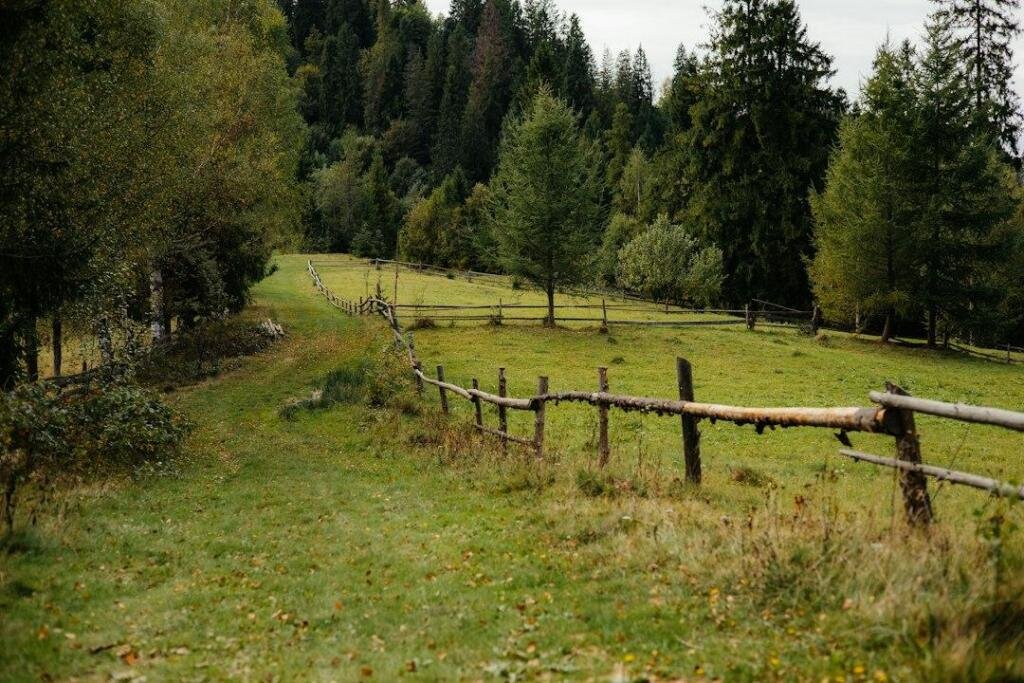
Featured image: Anna Blake via Unsplash. Image is illustrative and does not show the property involved in the case.
Follow Buzz Content Corner
For more verified legal and controversy explainers, follow Buzz Content Corner (BCC) on Instagram and Facebook.