Introduction
Updated October 22, 2026: India’s proposed GE Aerospace F414 engine co-production programme is important to Tejas Mk2 and other aircraft plans, but a 2023 memorandum of understanding (MoU) must be distinguished from a final commercial manufacturing contract. Pricing, technology-transfer terms and manufacturing arrangements remained subjects of reported negotiation in 2026.
The Context
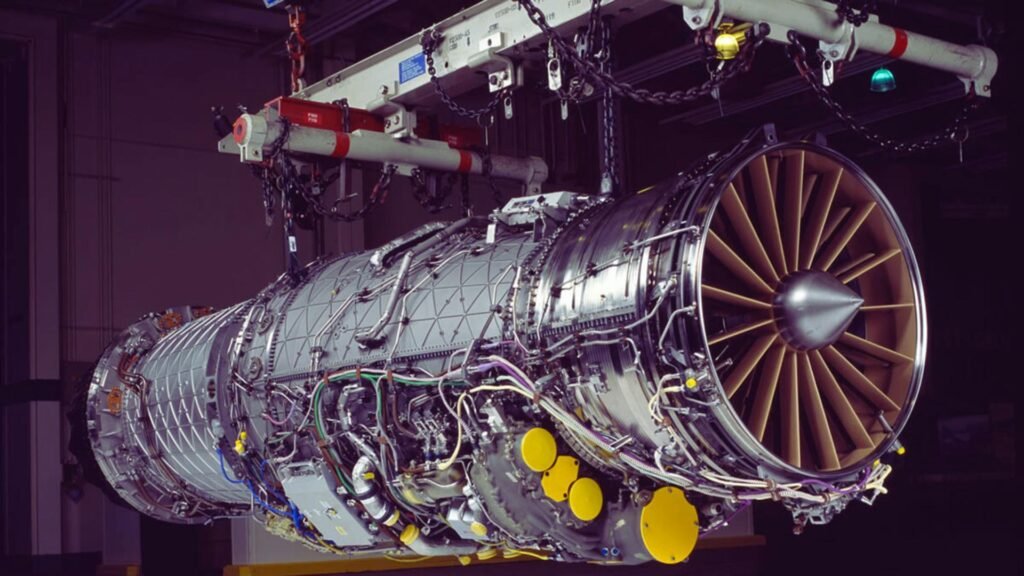
The GE F-414 Engine
The GE F-414 engine is a state-of-the-art military aircraft engine that powers advanced fighters like the Boeing Super Hornet and the Saab Gripen. Its performance, reliability, and versatility make it a sought-after choice for modern combat aircraft. India’s indigenous Light Combat Aircraft (LCA) Tejas Mk2 aims to incorporate this powerful engine, enhancing its capabilities significantly.
The Price Dispute
The previously reported figures of $1.1 billion per engine and an $80 million Indian counteroffer are unsupported and should not be treated as facts. June 2026 reporting citing defence sources described early estimates of roughly ₹70–80 crore per F414 engine and a later quotation reportedly approaching three times that level in AMCA-related talks. These are press reports about commercial negotiations, not a publicly verified final contract price, and the package could include manufacturing and support arrangements.
The Significance
Technology Transfer
GE Aerospace announced an MoU with Hindustan Aeronautics Limited on June 22, 2023 covering potential co-production of F414 engines in India, subject to required authorizations and commercial terms. In a May 2024 investor discussion, HAL described the proposed arrangement as involving about 80% technology transfer and local manufacturing, while acknowledging that specifics would become clearer when contracts were signed. An MoU and announced transfer scope do not mean every technology has already been transferred.
The End of the “Technology Denial Regime”
The proposed engine collaboration points to deeper India–US defence-industrial cooperation, but it does not by itself end technology-transfer restrictions or resolve questions of intellectual property, export authorization and access to sensitive manufacturing processes. Any conclusion about the final degree of Indian production capability depends on the signed agreements and implementation.
Conclusion
The key unresolved questions for readers are the final contract price, approved transfer scope, production-line investment, export authorizations, delivery schedule and maintenance arrangements. BCC will distinguish confirmed announcements from sourced reporting on negotiations as the programme develops.
Reporting note: Official company statements describe the 2023 MoU; quoted 2026 cost estimates are attributed to news reports based on unnamed sources and are not confirmed contract prices.